DAX Performance Rates API for Financial Insights
The DAX Performance Rates API is a cutting-edge tool designed for traders seeking real-time market data and insights. With its ability to provide accurate indices, the API enhances trading strategies, enabling users to make informed decisions swiftly and confidently.
How to Use the DAX Performance Rates API
Using the DAX Performance Rates API is straightforward. First, you’ll need to sign up for access, which usually involves creating an account on the provider’s platform. Once registered, you will receive an API key that allows you to authenticate your requests.
Next, integrate the API into your trading platform or application. The documentation provided by the API provider is comprehensive, detailing how to make requests and handle responses effectively. You can pull real-time data about various indices, track performance trends, and even set alerts for significant market movements. This functionality allows traders to stay ahead of the curve and adjust their strategies based on the latest data.
The Importance of Real-Time Market Data for Traders
In the fast-paced world of trading, having access to real-time market data is crucial. The financial markets are constantly fluctuating, influenced by a myriad of factors such as economic news, geopolitical events, and market sentiment. Traders who rely on outdated information risk making decisions that could lead to significant losses.
The DAX Performance Rates API addresses this need by providing timely updates on market indices. This ensures that traders have the most current information at their fingertips, enabling them to react swiftly to changing conditions. Whether you’re a day trader looking to capitalize on short-term price movements or a long-term investor analyzing trends, real-time data is invaluable.
Benefits of the Indices API
One of the standout features of the DAX Performance Rates API is its comprehensive coverage of various indices. The Indices API provides detailed insights into the performance of major stock indices, including the DAX index itself. Here are some key benefits of using the Indices API:
Accuracy: The API offers high precision data, ensuring traders have reliable information for making decisions.
Speed: With real-time updates, users can access market data almost instantaneously, giving them a competitive edge.
Flexibility: The API can be integrated into various trading platforms, making it versatile for different user needs.
Historical Data: In addition to real-time data, the API also provides historical performance metrics, allowing traders to conduct thorough analyses and backtesting.
User-Friendly Documentation: The API comes with well-structured documentation, making it easy for both novice and experienced traders to implement.
Enhancing Trading Strategies
The insights provided by the DAX Performance Rates API can significantly enhance trading strategies. By analyzing real-time and historical data, traders can identify patterns and trends that may not be evident from a surface-level view of the market.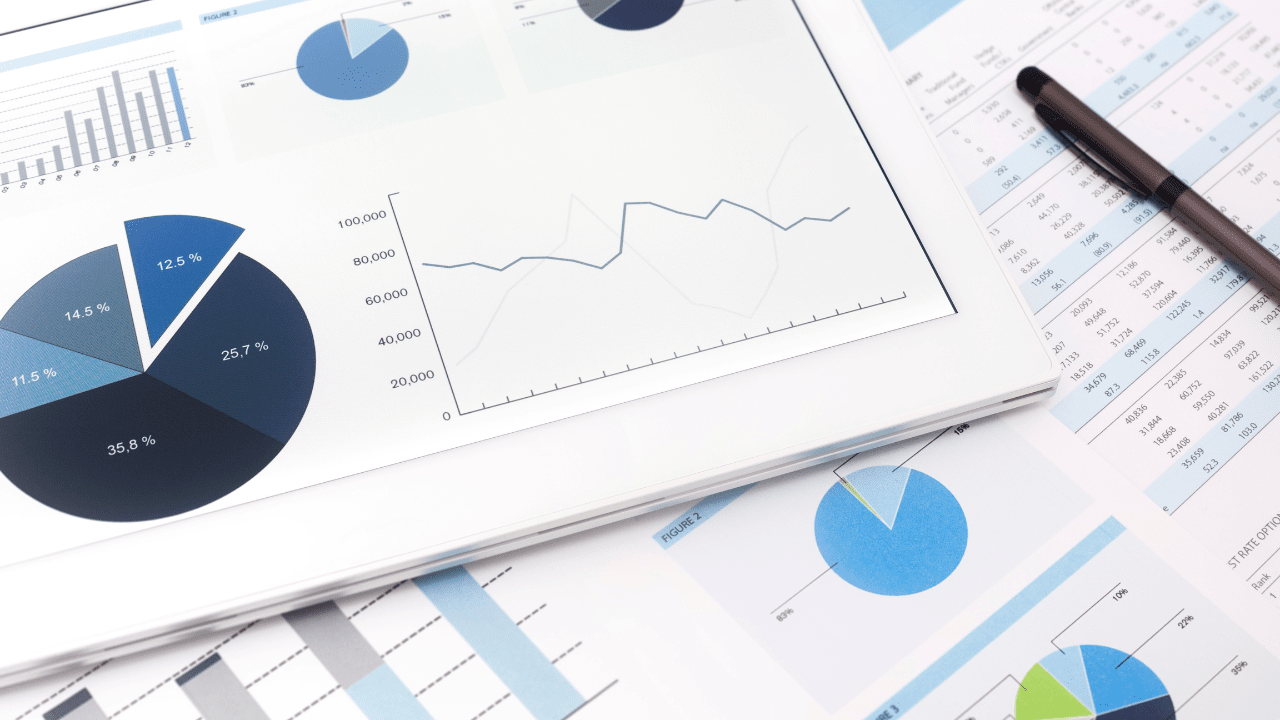
For instance, a trader might notice that certain indices tend to react similarly to specific economic news. By leveraging this information, they can make predictions about market movements and adjust their positions accordingly. This data-driven approach reduces guesswork and increases the likelihood of profitable trades.
Moreover, with the ability to set alerts for significant changes in indices, traders can ensure they are always informed, even when they are not actively monitoring the markets. This feature is particularly beneficial in a volatile environment where rapid price shifts can occur.
Conclusion
In today’s trading landscape, having access to real-time market data is not just beneficial—it’s essential. The DAX Performance Rates API provides traders with accurate and timely insights that can dramatically improve their trading strategies. With features like the Indices API, users can stay informed and make better trading decisions. In an environment where every second counts, leveraging such tools can mean the difference between success and failure in trading.